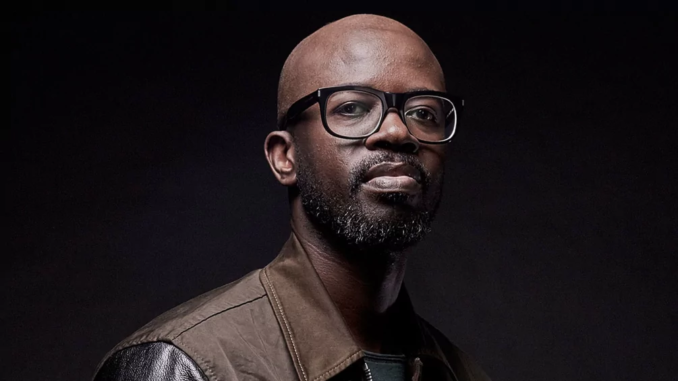
Nkosinathi Innocent Maphumulo — better known to the world as Black Coffee — is arguably the most globally recognised South African musician alive today. He did not simply cross over into international markets; he helped redefine how Africa’s electronic music is perceived on a world stage. From Ibiza residencies to Grammy wins, his career trajectory reads like a blueprint for what focused artistry and cultural pride can achieve over two decades.
Black Coffee Biography
| Full Name | Nkosinathi Innocent Maphumulo |
|---|---|
| Stage Name | Black Coffee |
| Date of Birth | March 11, 1976 |
| Age (as of 2026) | 50 years old |
| Place of Birth | Durban, KwaZulu-Natal, South Africa |
| Nationality | South African |
| Ethnicity | Zulu |
| Occupation | DJ, Music Producer, Record Label Owner |
| Known For | Drive, We Dance Again, You Need Me, Grammy Award win |
Early Life and Background
Black Coffee was born in Durban on March 11, 1976, but spent much of his childhood in Mthatha in the Eastern Cape, raised primarily by his grandmother after his parents’ marriage dissolved. It was in Mthatha that he found music — not in a formal sense, but in the way many South African children of his generation did, through church, local sounds, and whatever arrived via cassette tapes and radio.
At the age of 11, Black Coffee was involved in a serious car accident that left his left arm permanently paralysed. This is a fact that both defines and defies his career. He taught himself to DJ with one fully functional arm, developing techniques and adaptations that became part of his unique style rather than a limitation. The accident did not slow his artistic ambitions; in a real sense, it deepened them.
He moved back to Durban in his teenage years and then relocated to Johannesburg to pursue music professionally, studying at the Music School of Excellence.
Education
Black Coffee attended the Music School of Excellence in Johannesburg, where he gained formal grounding in music. This education, combined with his self-taught DJing, gave him a technical vocabulary that would inform his production style for years to come.
Career Journey
Black Coffee began his career in the Johannesburg club scene in the early 2000s, building a reputation through residencies and night-after-night performances that were less about spectacle and more about musicality. His debut self-titled album in 2005 established him as a producer of substance. Subsequent albums — Have Another One (2006), Drive (2013), and Pieces of Me (2015) — progressively expanded his audience and cemented his status as the most credible name in African house music.
The international breakthrough came through Ibiza. His residency at Hï Ibiza became one of the island’s most talked-about club nights, drawing crowds and critical attention from across Europe and the Americas. He became the first African DJ to hold a residency at one of the world’s most prestigious venues, and that milestone opened doors that led to collaborations with David Guetta, Pharrell Williams, Drake, and Usher.
In 2021, his track “Superman” featuring Bucie earned him significant streaming numbers globally. The following year, 2022, he released You Need Me, an album of remarkable depth and ambition. That album earned him the Grammy Award for Best Dance/Electronic Album at the 65th Grammy Awards in February 2023 — a historic first for an African artist in that category. The award was both personal validation and a landmark moment for African electronic music globally.
Beyond performing, Black Coffee founded Soulistic Music, his own record label, through which he has supported and elevated a generation of South African artists. His business acumen matches his creative abilities, and he has become one of the wealthiest and most influential figures in the African music industry.
Personal Life
Black Coffee was previously married to actress and TV presenter Enhle Mbali Mlotshwa. The couple, who have children together, went through a public and contested separation that attracted considerable media coverage in South Africa. Despite the personal turbulence, Black Coffee has remained professionally focused, rarely allowing private matters to overshadow his artistic output.
Net Worth
Black Coffee is widely regarded as one of the wealthiest DJs in Africa. His income streams include performance fees, record sales, streaming royalties, brand partnerships, and his record label. Estimates from various financial publications suggest his net worth is in the range of several tens of millions of dollars, though no official figure has been confirmed by the artist himself.
Conclusion
Black Coffee’s career is both an achievement story and an ongoing experiment in what it means to be authentically African and genuinely global at the same time. He has never compromised his sound for mass appeal — and ironically, that integrity is precisely what earned him mass appeal. As he enters his fifth decade, he remains one of the most compelling figures in electronic music anywhere on earth.
Frequently Asked Questions
What is Black Coffee’s real name?
His real name is Nkosinathi Innocent Maphumulo.
Has Black Coffee won a Grammy?
Yes. He won the Grammy Award for Best Dance/Electronic Album at the 65th Grammy Awards in 2023 for the album You Need Me.
Why does Black Coffee only use one arm?
He was involved in a serious car accident at age 11 that permanently paralysed his left arm.
Where is Black Coffee from?
He was born in Durban, KwaZulu-Natal, South Africa.
Does Black Coffee have a record label?
Yes, he founded Soulistic Music, which has supported numerous South African artists.
Disclaimer: The information presented in this biography is compiled from sources accessible to the public. This material is intended for informational purposes only and does not constitute professional advice. While efforts are made to ensure accuracy, the content may not reflect the most current developments.
Leave a Reply